 how-to
Rental Property Inventory Report 2026: Complete Checklist
Table of Contents
- Why a Rental Property Inventory Report Matters
- Essential Items for Your Rental Property Inventory Checklist
- Using a Landlord Inventory Report Template
- Documenting Condition: Property Inventory Report Examples
- Photographic Evidence and the Rental Property Check-In Report
- Getting Tenant Sign-Off and Storing Records
- Common Mistakes to Avoid
- Conclusion
- Frequently Asked Questions
Last Updated: October 18, 2026
Why a Rental Property Inventory Report Matters
A rental property inventory report is a detailed record of the condition and contents of your property at the start and end of a tenancy.
Without a proper inventory, disputes over damage and missing items become your word against theirs. The tenant claims they didn't break the kitchen tiles. You claim they did. No proof either way. That's when deposit disputes spiral into costly claims and counterclaims.
An inventory report does one simple job: it creates an undeniable record. When both you and your tenant sign off on the same document at move-in, there's clarity. When you document condition with photographs, there's evidence.
A thorough rental property inventory checklist takes a few hours upfront and saves you from arguments later.
Essential Items for Your Rental Property Inventory Checklist
Your inventory needs to cover every room, every surface, and every item the tenant can access. Missing details create gaps. Gaps create disputes.
Interior Structure and Walls
Start with the bones of each room. Document the walls, ceilings, doors, and frames. Note every mark, stain, crack, and dent.
For walls, record:
- Paint colour and condition (fresh, scuffed, marked, peeling)
- Wallpaper condition (intact, torn, faded, loose seams)
- Existing marks, holes, or damage (water stains, damp patches, nail holes)
- Light switches and sockets (working, cracked, loose)
For ceilings, note:
- Colour and finish (smooth, textured, artex)
- Cracks, discolouration, or water marks
- Smoke damage or staining
- Condition of any ceiling roses or light fittings
Doors and frames deserve equal attention. Record the colour, condition of the paint or varnish, whether hinges are loose, and if the door closes properly. Note any scratches, dents, or damage to the frame itself.
This level of detail prevents disputes over "normal wear and tear" versus tenant-caused damage. A scuffed wall might be expected after three years. A hole punched through plasterboard is not.
Flooring and Ground Coverings
Flooring takes the most wear in any property. Document it thoroughly.
For carpets and rugs:
- Colour and pile condition (new, worn, matted, bald patches)
- Stains, marks, or discolouration
- Odours (note if present, smoke, pet, damp, or musty smells)
- Condition of edges and seams
- Whether underlay is visible or damaged
For hard flooring (wood, laminate, tile, vinyl):
- Surface condition (scratches, dents, chips, cracks)
- Grout condition between tiles (clean, stained, cracked, missing)
- Loose planks, lifted edges, or movement
- Existing marks or discolouration
For lino and vinyl:
- Tears, holes, or lifting edges
- Stains or marks
- Condition of the skirting board
Photograph every room's flooring from multiple angles. Close-ups of stains and damage are essential. A photo of a pristine carpet at move-in becomes powerful evidence if your tenant later claims they're not responsible for the stain.
Fixtures, Fittings and Appliances
Every fixed item and white good needs recording. Be specific about condition.
Kitchen fixtures and appliances:
- Cooker (gas or electric, working, damage to hob or oven)
- Fridge and freezer (working, ice buildup, damage to seals)
- Dishwasher (working, condition of door seals)
- Extractor fan or hood (working, grease buildup, filter condition)
- Sink and taps (working, leaks, damage to surface)
- Cupboards and drawers (doors aligned, handles intact, hinges working)
- Worktops (scratches, stains, burns, chips)
- Tiles or splashback (cracked, loose, stained, grout condition)
Bathroom fixtures:
- Bath or shower tray (cracks, stains, silicone sealant condition)
- Shower screen or curtain rail (working, damage)
- Toilet (working, seat condition, cracks)
- Sink and taps (working, leaks, damage)
- Mirror and cabinet (working, scratches, damage)
- Tiles or wall panels (cracked, loose, stained)
- Ventilation (working, mould or damp)
Bedroom and living room:
- Built-in wardrobes (doors working, handles, interior condition)
- Fitted shelving (secure, damage)
- Radiators (working, leaks, paint condition)
- Fireplaces (blocked, working, damage to surround)
- Windows and sills (working, locks, paint, stains)
Every appliance should include whether it powers on, whether it heats or cools correctly, and whether any visible damage exists. Don't assume "it works", test it and note the result.
Utilities and Safety Equipment
Safety equipment must be recorded. Note the presence and condition of:
- Smoke alarms (number and location, working or not, battery condition)
- Carbon monoxide detector (present, working)
- Fire extinguisher (if provided, location, pressure gauge reading)
- Electrical outlets and switches (working, loose, damaged)
- Gas appliances and pipes (if visible, no obvious leaks or damage)
- Boiler and heating system (working, location, model number if relevant)
- Water stopcock location (accessible, working)
- Fuse box or consumer unit (accessible, condition)
For gas and electrical safety, your role is to document that equipment exists and appears sound. You're not testing it, that's for qualified engineers. But you do need to note whether appliances are present and appear functional at the start of the tenancy.
Using a Landlord Inventory Report Template
A good template keeps you consistent and thorough. It should guide you through each room systematically and prompt you to record condition in a standard way.
Your template should include:
- Property address and postcode
- Tenant name and move-in date
- A room-by-room section (hallway, lounge, kitchen, bedrooms, bathrooms, utility areas)
- Columns for item description, condition, and any damage or marks
- Space for notes on odours, repairs needed, or items missing from the let
- A signature section for both landlord and tenant
- A date field
Many landlords use simple spreadsheets or Word documents. Others prefer purpose-built software that links photos directly to items. The format matters less than the detail. A thorough handwritten inventory beats a vague digital one.
At PPS Property Management, we recommend keeping your template consistent across all your properties. If you use the same structure for each let, you'll develop a rhythm and won't miss sections. Consistency also makes it easier to spot patterns, if every property has damp in the bathroom, you know there's a ventilation issue to fix.
Store your completed inventory in two places: a physical copy signed by the tenant, and a digital backup. If a dispute arises, you'll need both.
Documenting Condition: Property Inventory Report Examples
When you describe condition, be specific. Vague descriptions create arguments.
Instead of "walls are fine," write: "Walls painted white, several scuff marks and small dents consistent with normal use, no holes or water damage."
Instead of "carpet worn," write: "Lounge carpet grey, worn pile in high-traffic areas near sofa and door, no stains or odours noted, underlay not visible."
Instead of "cooker works," write: "Gas cooker, all four hobs ignite, oven heats to temperature, no visible damage to exterior, minor grease marks on hob surround."
Examples of detailed descriptions:
Kitchen example: "Fitted kitchen with cream cupboards, some loose handles on lower drawers, laminate worktops with two small burn marks near cooker, white ceramic sink, mixer tap working, extractor fan present and working, vinyl flooring light grey with minor scuffs and one small stain near dishwasher (location: 1 metre from sink), skirting board intact."
These descriptions give anyone reading them a clear picture. A tenant can't later claim they didn't know about the burn marks. You can't claim the carpet was pristine when the move-out photos show wear.
Photographic Evidence and the Rental Property Check-In Report
Photographs turn descriptions into proof. Without them, your inventory is words on a page. With them, it's evidence.
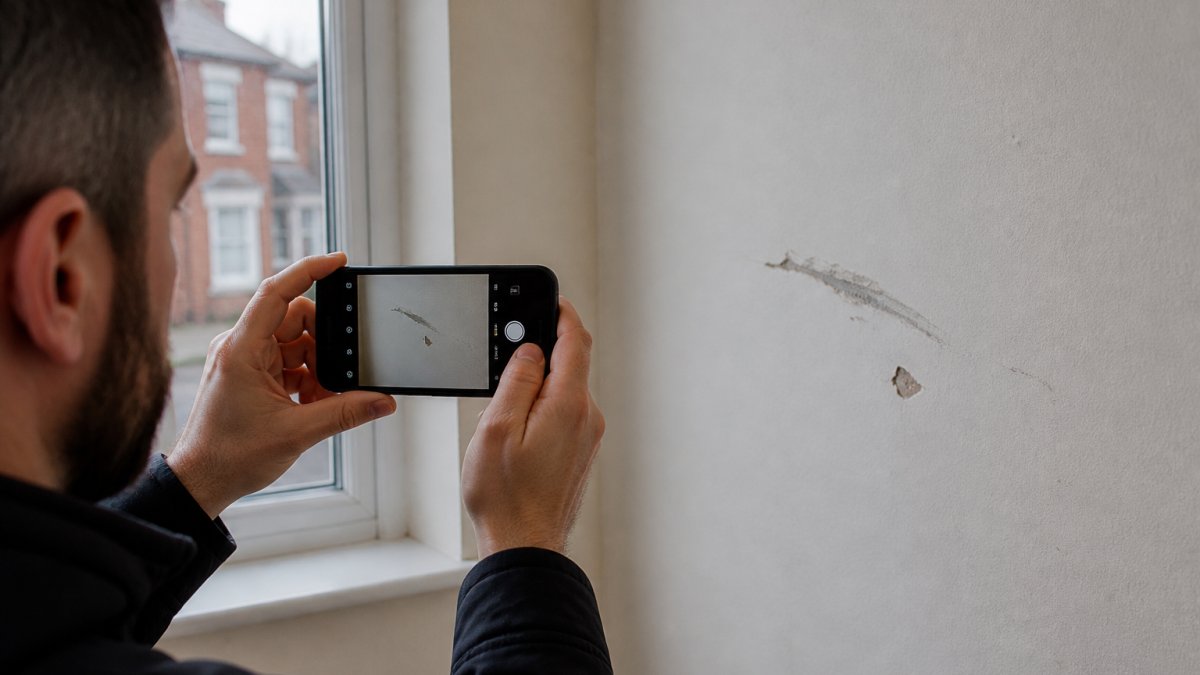
Photograph every room from multiple angles. Take wide shots of each room, then close-ups of any damage, marks, or wear. Photograph:
- Each room's overall condition (wide shot from doorway)
- Walls and ceilings (close-ups of any marks, stains, or damage)
- Flooring (wide shot and close-ups of stains, wear, or damage)
- Kitchen and bathroom fixtures (close-ups of taps, tiles, appliances)
- Cupboards and wardrobes (open doors to show interior)
- Windows and sills
- Any items you've noted as damaged or missing
Include date stamps on your photos. Many smartphones do this automatically. If yours doesn't, note the date when you transfer the files.
Store photos with your written inventory. Link them to specific items in your report so anyone reviewing it can match description to image.
When the tenant moves out and conduct a check-out inventory, photograph the same areas again. Compare the two sets of photos. If new damage has appeared, you have visual proof.
Your rental property check-in report becomes a complete record when it combines written description, condition notes, and photographs.
Getting Tenant Sign-Off and Storing Records
Both you and the tenant must sign the completed inventory. A signed inventory carries weight in a deposit dispute (Getting your tenancy deposit back if you rent privately).
Walk through the property with your tenant if possible. Point out items and condition. Let them add notes or corrections. If they disagree with your assessment, record their comment.
If the tenant isn't present (common for remote lets or overseas landlords), send them the inventory and photographs by email. Ask them to review, add notes if needed, and return it signed. Keep that email chain.
Store your signed inventory and photographs securely. Keep:
- The original signed copy (physical or scanned)
- All photographs (organised by room)
- Any notes or corrections the tenant added
- Email correspondence about the inventory
- A copy of your tenancy agreement (which should reference the inventory)
Store these for at least the length of the tenancy plus six years. Deposit disputes can arise after a tenant has left, and you may need to prove condition at move-in.
Many landlords store copies with their letting agent or property manager.
Common Mistakes to Avoid
Many landlords rush their inventory or skip important details. Here's what to watch for:
Incomplete descriptions. "Bedroom looks good" tells you nothing. Describe colour, condition, damage, and wear. Be specific enough that someone reading it months later understands exactly what was there.
Missing photographs. Words fade in memory. Photos don't. If you don't photograph it, you can't prove its condition.
Unsigned or undated documents. An unsigned inventory carries little weight in a dispute. Always date it and get both signatures.
Vague condition notes. "Normal wear and tear" is too vague. Is the carpet worn in one spot or throughout? Is the paint scuffed or peeling?
Missing rooms or areas. Don't skip the hallway, stairs, or storage cupboards. Every space the tenant can access needs documenting.
Assuming appliances work. Test them. Note whether they heat, cool, turn on, and function properly.
Storing records poorly. If you lose your inventory or photos, you've lost your evidence. Keep copies in multiple places.
Delaying the inventory. Complete it on or before move-in day.
Conclusion
A thorough rental property inventory report is the foundation of a well-managed let. It protects you, protects your tenant, and prevents disputes. The time you spend documenting condition, photographing damage, and getting signatures upfront saves you time and money later.
If managing multiple properties or handling inventories remotely feels overwhelming, PPS Property Management handles this for you. We conduct detailed move-in and move-out inventories, photograph every room, and store records securely. Our team knows what landlords need to protect their deposits and avoid disputes. Get in touch for a free consultation and discover how we can simplify your rental property management.
Frequently Asked Questions
What should be included in a rental property inventory report?
Your rental property inventory report should document every room, wall condition, flooring, fixtures, fittings, appliances, and safety equipment. Record the condition of each item in detail (excellent, good, fair, poor, or damaged), include photographic evidence, and note any pre-existing damage. List utilities, heating systems, and safety certificates. The report protects both you and your tenant by establishing the property's baseline condition at the start of the tenancy.
Is a property inventory report a legal requirement for landlords?
Whilst not strictly a statutory requirement, a comprehensive property inventory report is essential best practice and protects your deposit claim if disputes arise. The deposit protection scheme rules require you to provide an inventory or prescribed information about how deductions were calculated. Without a detailed, dated inventory with photos, you may struggle to justify deductions for damage or cleaning costs, leaving you vulnerable to deposit disputes.
How do you describe the condition of items in a rental property inventory?
Use clear, objective language and a consistent rating system. Describe what you see, not assumptions: instead of 'worn carpet', write 'carpet has light staining in corner near window and loose seam along right edge'. Use condition grades such as excellent (new or like new), good (minor wear), fair (visible wear but functional), or poor (significant damage or non-functional). Avoid vague terms; be specific about location, size, and type of damage.
Should you take photos for a rental property inventory?
Yes, photographs are vital evidence. Take clear, dated photos of every room, focusing on condition, damage, and existing wear. Photograph walls, flooring, fixtures, and appliances from multiple angles. Include wide shots of rooms and close-ups of any damage or staining. Store photos with metadata intact and keep copies in at least two secure locations. Photos provide objective proof of the property's condition and are invaluable if you need to justify deposit deductions later.