 comparison
Landlord Electrical Safety Report vs Periodic Inspection
Table of Contents
- Electrical Safety Report vs Periodic Inspection: Key Differences
- EICR Requirements for Landlords
- How Often Do Landlords Need an Electrical Safety Check
- What Happens When an EICR Shows Unsatisfactory Results
- Legal Obligations and Compliance
- Managing Inspections and Documentation
- Frequently Asked Questions
Last Updated: September 22, 2026
Electrical Safety Report vs Periodic Inspection: Key Differences
An Electrical Installation Condition Report (EICR) and a periodic inspection serve the same fundamental purpose, yet understanding the landlord electrical safety report vs periodic inspection distinction is essential: they assess the safety of electrical installations in rental properties. However, they differ significantly in scope, frequency, and legal requirements for landlords. Understanding these distinctions is essential for maintaining compliance and protecting your tenants.
The EICR is the formal, legally mandated report that landlords must obtain. A periodic inspection is a broader term that can include various types of electrical checks. At PPS Property Management, we help landlords navigate these requirements to ensure their portfolios remain compliant with current regulations.
| Aspect | EICR | Periodic Inspection |
|---|---|---|
| Legal requirement | Mandatory for all rental properties | Part of broader safety obligations |
| Frequency | Every 5 years (or 10 years if previous EICR satisfactory) | Varies by property condition and inspection type |
| Report format | Standardised BS 7909 format | May vary depending on inspection scope |
| Who performs it | Qualified electrician (Part P registered or equivalent) | Qualified electrician or surveyor |
| Cost implications | Fixed inspection fee, plus remedial work if needed | Varies by inspection type and findings |
| Compliance consequence | Failure to obtain = potential penalties | Part of overall safety compliance framework |
The key distinction in the landlord electrical safety report vs periodic inspection comparison lies in formality and legal standing. An EICR is a specific, documented safety assessment required by law. A periodic inspection is a broader category that encompasses routine checks and safety assessments conducted at intervals determined by property condition and risk assessment.
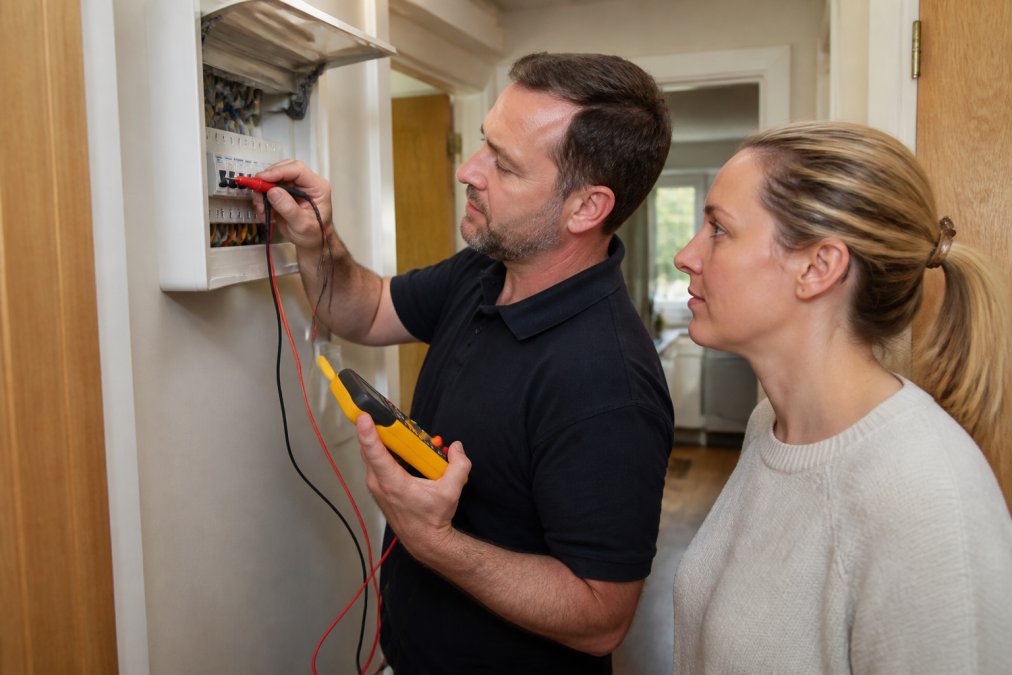
EICR Requirements for Landlords
The EICR is a legal requirement under the Electrical Safety Standards in the Private Rented Sector (England) Regulations 2020. Every landlord must ensure that all electrical installations in their rental properties are tested by a qualified person and a report is obtained.
Landlords must provide tenants with a copy of the EICR within 28 days of the inspection (Electrical safety standards in the private and social rented sectors: guidance). This transparency requirement ensures tenants understand the safety status of their home. If you fail to comply, you face potential fines and enforcement action from local authorities.
The electrical safety report must be carried out by someone with appropriate qualifications. This typically means a Part P registered electrician or someone with equivalent certification. The inspection covers all fixed electrical installations, including wiring, sockets, switches, and permanent fixtures.
Remedial work identified in the report must be completed within specified timescales. If the EICR identifies defects classified as "Code 1" (danger present) or "Code 2" (potentially dangerous), you cannot delay action. These must be addressed immediately or the property becomes unlettable until remedial work is complete.
The formal EICR report follows the BS 7671 standard, providing a detailed breakdown of the electrical system's condition. This standardised format means any qualified electrician can interpret the findings, and local authorities recognise it as the official compliance document.
How Often Do Landlords Need an Electrical Safety Check
Most landlords need an EICR every 5 years (Electrical safety standards in the private and social rented sectors: guidance). This is the baseline requirement under current regulations. However, the frequency can change based on the previous inspection's outcome.
If your most recent EICR showed the installation in satisfactory condition with no remedial work required, you can extend the next inspection to 10 years. This extended interval applies only if the property has been well-maintained and no significant electrical work has been undertaken.
Any time you carry out electrical work in the property, the clock resets. New installations or modifications typically require certification, and the next full EICR becomes due within 5 years of that work. This ensures that any changes to the electrical system are properly documented and assessed.
Properties with a history of electrical defects or remedial work may require more frequent inspections. If previous reports identified issues, even if resolved, your local authority or insurer may recommend shorter intervals between checks. This is a risk-based approach to safety management.
Tenancy changes do not trigger a new inspection requirement by themselves. The 5-year cycle runs from the date of the most recent EICR, regardless of how many tenants have occupied the property. However, if you know electrical work was undertaken by a previous tenant or landlord, you should verify the date of the last formal inspection.
What Happens When an EICR Shows Unsatisfactory Results
An unsatisfactory EICR means the report identifies defects in the electrical installation. These are classified into codes that indicate the level of risk and urgency required to address them.
Understanding Remedial Work Requirements
Remedial work is the corrective action required to bring the electrical installation back to a safe standard. The classification of defects determines how quickly you must act.
Code 1 defects represent an immediate danger. Examples include exposed live conductors, damaged insulation, or circuit overload. These must be rectified before the property can be let to tenants. You cannot legally rent a property with Code 1 defects present.
Code 2 defects are potentially dangerous but not an immediate hazard. These might include outdated wiring, insufficient earthing, or worn components. Code 2 defects must be corrected, but you have a defined timeframe to complete the work. Typically, this is 28 days, though your local authority may impose stricter requirements.
Code 3 defects are minor issues that do not pose an immediate safety risk but should be addressed as part of routine maintenance. Examples include loose connections or worn switch plates. These have no strict deadline but should be included in your property maintenance schedule.
The electrician who conducted the EICR will typically recommend contractors to carry out remedial work. However, you are free to source your own qualified electrician. The key requirement is that work is completed by someone competent and that a completion certificate is issued.
Timescales for Completing Remedial Work
Code 1 defects must be remedied before the property is occupied. If the defect is discovered while a tenant is in residence, you must address it immediately or make the property uninhabitable and arrange alternative accommodation. This is a legal obligation under housing standards.
Code 2 defects have a standard 28-day deadline from the date the EICR was issued. However, local authorities can impose shorter timescales if they believe the risk justifies it. Some councils require Code 2 work to be completed within 7 days. You should check with your local authority's expectations.
Once remedial work is complete, the contractor must issue a completion certificate. This document confirms that the work has been carried out to the required standard. You should retain this certificate as evidence of compliance.
After remedial work is finished, you do not need a new full EICR unless the work was extensive or structural to the electrical system. A completion certificate from the qualified contractor is sufficient. However, if the remedial work was substantial, obtaining a follow-up EICR provides additional assurance and documentation.
Legal Obligations and Compliance
Landlords have a statutory duty to ensure electrical safety in rental properties. This duty is enforced through local authority inspections, tenant complaints, and formal enforcement action if breaches are identified.
The Electrical Safety Standards in the Private Rented Sector (England) Regulations 2020 establish the framework (The Electrical Safety Standards in the Private Rented Sector (England) Regulations 2020). These regulations apply to all private rental properties in England. If you own properties in other parts of the UK, similar regulations apply, though specific requirements may vary.
Failure to obtain an EICR when required can result in fines of up to £30,000 per breach.
Managing Inspections and Documentation
Effective management of EICR requirements involves planning, documentation, and communication with qualified professionals. Keeping detailed records protects you and demonstrates compliance to authorities and tenants.
Frequently Asked Questions
Is an EICR the same as a periodic inspection?
No. An EICR (Electrical Installation Condition Report) is a formal inspection document required by law for rental properties. A periodic inspection is a broader term that includes routine checks of your property's systems. The EICR is a specific, mandatory electrical safety report that landlords must obtain every five years under current regulations. Both serve safety purposes, but the EICR is the legally required document for rental compliance.
What is the legal requirement for electrical safety reports in rental properties?
Landlords must provide a valid Electrical Installation Condition Report (EICR) to all tenants. The inspection must be carried out by a qualified electrician and the report must be given to tenants before they move in, or within 28 days of the inspection if they were already living there. This legal requirement protects tenants and ensures your property meets safety standards set out in the Electrical Safety Standards in the Private Rented Sector (England) Regulations 2020.
How often must a landlord conduct an electrical inspection?
You must obtain a new EICR every five years. If your report identifies issues requiring remedial work, you may need additional inspections to confirm repairs have been completed satisfactorily. Keeping to this five-year cycle ensures your property remains compliant and protects your tenants from electrical hazards. Failing to maintain current certification can result in significant penalties.
What happens if an electrical inspection report shows unsatisfactory results?
If your EICR identifies defects or safety issues, you must arrange remedial work to address them. The electrician will classify issues by urgency: some require immediate attention, others can be scheduled. You must complete the necessary repairs and have them verified by a qualified electrician. Tenants must be informed of any safety concerns, and you cannot ignore unsatisfactory findings without risking enforcement action and penalties.
Do I need to provide a copy of the electrical report to my tenants?
Yes. You must provide a copy of the EICR to your tenants before they move in, or within 28 days if they are already occupying the property. You must also keep a copy for your records and make it available for inspection by local authority enforcement officers if requested. Transparency about safety compliance builds trust and demonstrates your commitment to tenant wellbeing.
Electrical safety compliance is not optional, and the consequences of non-compliance are serious. An EICR every 5 years is a straightforward requirement that protects your tenants and your investment. If managing inspections feels overwhelming, or if you have multiple properties, professional support ensures you stay compliant. Get a free consultation with PPS Property Management to discuss how we can manage your electrical safety obligations and other compliance requirements.