 how-to
Commercial Property Maintenance in Blackpool: A Guide
Table of Contents
- What Commercial Property Maintenance Involves
- Creating a Commercial Property Maintenance Checklist
- Planned Preventative Maintenance for Commercial Properties
- How to Choose a Property Maintenance Contractor
- Using a Commercial Property Maintenance Report Template
- Prioritising Urgent and Routine Repairs
- Record-Keeping and Compliance
- Frequently Asked Questions
Last Updated: October 5, 2026
What Commercial Property Maintenance Involves
Commercial property maintenance is the systematic care and upkeep of business buildings, ensuring they remain safe, functional, and compliant with regulations. This includes everything from routine cleaning and inspections to emergency repairs and compliance documentation.
The scope of commercial property maintenance typically covers structural elements, mechanical systems, safety features, and regulatory requirements. A well-maintained commercial property protects your investment, keeps tenants safe, and helps you avoid costly penalties for non-compliance.
At PPS Property Management, we understand that managing commercial property maintenance in Blackpool requires more than just reactive repairs. It demands a proactive strategy that balances safety, compliance, and cost-efficiency. Most landlords underestimate how many systems need regular attention until something fails unexpectedly.
Effective maintenance encompasses several key areas:
- Building fabric: roofs, walls, windows, doors, and external structures
- Mechanical systems: heating, ventilation, air conditioning, and plumbing
- Electrical systems: wiring, distribution boards, and safety devices
- Fire safety equipment: alarms, extinguishers, emergency lighting
- Health and safety compliance: asbestos management, risk assessments, statutory inspections
- Grounds maintenance: car parks, pathways, landscaping
The difference between a well-maintained property and a neglected one often comes down to planning. Reactive maintenance costs far more than planned preventative maintenance, yet many landlords only call a contractor when something breaks.
Creating a Commercial Property Maintenance Checklist
A comprehensive maintenance checklist ensures nothing gets overlooked and provides documented evidence of your care and compliance efforts. This checklist becomes your roadmap for the year ahead.
Start by categorising tasks into monthly, quarterly, and annual items. Monthly checks might include visual inspections of common areas, testing emergency lighting, and checking for obvious damage. Quarterly tasks could involve HVAC filter changes, gutter cleaning, and pest control inspections. Annual items include professional servicing of major systems, electrical testing (EICR), and gas safety inspections (CP12).
Your checklist should also account for seasonal considerations. Winter brings increased heating demands and potential water damage from freezing pipes. Summer may highlight cooling system failures and roof leaks that winter snow masked.
A practical approach divides maintenance into these categories:
- Daily: visual inspections, response to reported issues
- Weekly: cleaning common areas, checking security systems
- Monthly: testing safety equipment, inspecting for damage
- Quarterly: HVAC servicing, gutter cleaning, pest control
- Annually: professional inspections, electrical testing, gas certification
Document every task completed, including the date, what was checked, who performed the work, and any findings. This record-keeping becomes invaluable if you face a dispute with a tenant or need to demonstrate compliance to a regulator. Many landlords discover too late that they have no evidence of maintenance work performed.
Planned Preventative Maintenance for Commercial Properties
Planned preventative maintenance is the cornerstone of cost-effective property management. Rather than waiting for equipment to fail, you schedule regular servicing and replacement before problems develop.
This approach reduces emergency call-outs, extends the lifespan of building systems, and helps you budget predictably. A boiler serviced annually costs less to maintain than one that fails in winter and requires emergency repair or replacement.
Planned preventative maintenance works by identifying critical systems and scheduling professional inspections and servicing at recommended intervals. Your heating system, for example, should be serviced annually before winter. Electrical installations should be tested every five years (or sooner if the property has heavy use). Gas appliances require annual certification through a CP12 inspection.
The key components of an effective planned maintenance programme include:
- Identifying all systems that require regular servicing
- Scheduling inspections and servicing in advance
- Budgeting for known costs rather than facing surprise expenses
- Maintaining detailed records of all work completed
- Reviewing and updating the schedule annually
Planned maintenance can reduce overall maintenance costs compared to reactive repair strategies. You avoid emergency call-out charges, prevent small problems from becoming major failures, and maintain property value.
The challenge is consistency. Life gets busy, and it's easy to defer a scheduled inspection. This is where many landlords benefit from working with a professional property management service that handles scheduling and follow-up automatically.
How to Choose a Property Maintenance Contractor
Selecting the right contractor for your commercial property maintenance is one of the most important decisions you'll make as a landlord. A good contractor becomes a trusted partner; a poor one can cost you thousands in unnecessary work or missed compliance deadlines.
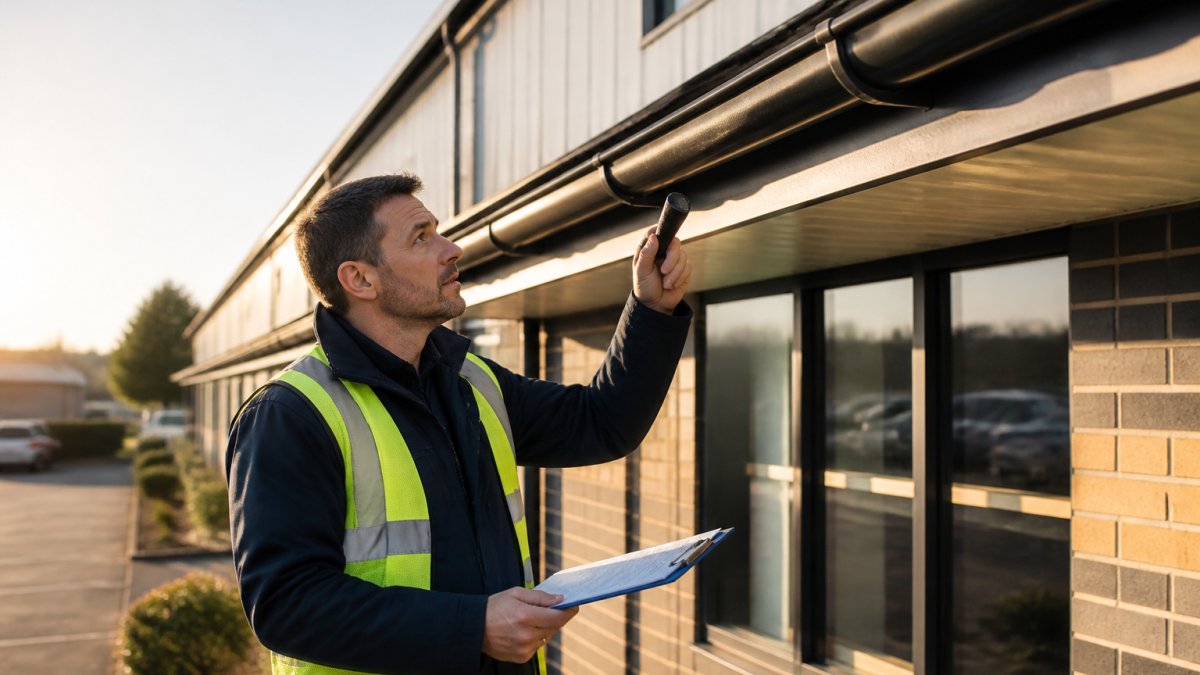
Start by seeking contractors with proven experience in commercial properties similar to yours. A contractor experienced with residential lettings may lack the expertise needed for office buildings, retail units, or industrial spaces. Ask for references from other commercial landlords and follow up with them directly.
The best contractors are transparent about their processes, pricing, and timelines. They should explain what they're inspecting, why it matters, and what they recommend. If a contractor is vague or pressures you into immediate decisions, that's a red flag.
Avoid contractors who quote significantly lower than competitors without explanation. Unusually cheap quotes often reflect cut corners, lower quality work, or hidden fees that appear later. Similarly, the most expensive option isn't necessarily the best.
Checking Insurance and Qualifications
Before hiring any contractor, verify their insurance and qualifications. They should carry public liability insurance and employers' liability insurance if they employ staff. Request copies of their certificates and check that cover is current.
For specialist work, qualifications matter. Gas engineers must be registered with a recognised body such as the Gas Safe Register. Electrical work should only be performed by electricians who can provide evidence of competence. Asbestos surveys must be conducted by licensed professionals.
Ask how they stay current with changing regulations. The property management landscape shifts regularly, and a contractor who doesn't keep up with new requirements is a liability.
Response Times and Availability
For commercial properties, response times can be critical. An HVAC failure in summer or heating failure in winter can make a property unusable within hours. Ask prospective contractors what their emergency response time is and whether they operate 24/7.
Some landlords accept longer response times for routine maintenance but require rapid response for emergencies. Clarify this expectation upfront. A contractor who guarantees a rapid emergency response may charge more, but that cost is worth it if you have tenants dependent on the property.
Availability also matters during peak seasons. Winter brings heating emergencies; spring and autumn bring increased maintenance needs. A contractor who becomes impossible to reach during busy periods will leave you stranded when you need them most.
Using a Commercial Property Maintenance Report Template
A maintenance report template standardises how you document work performed on your property. This consistency makes it easier to track patterns, identify recurring issues, and demonstrate compliance.
Your template should capture essential information: the date of inspection, the contractor's name and company, systems checked, findings, work recommended, work completed, and follow-up actions required. Include a section for photographs of any damage or concerns.
A well-structured report becomes part of your property's history. Over time, these reports reveal which systems are ageing, which contractors deliver quality work, and which areas of the property need attention.
Use your reports to identify trends. If your roof requires patching every year, you may need replacement sooner than expected. If the same system fails repeatedly, the underlying cause may not be properly addressed.
Share relevant excerpts from maintenance reports with tenants when appropriate. If a tenant reports a heating problem and your report shows the boiler was serviced three months ago, that documentation supports your position if a dispute arises.
Prioritising Urgent and Routine Repairs
Not all repairs are equal. A leaking roof demands immediate attention; a worn paint finish can wait. Prioritising correctly keeps your property safe and compliant while managing costs.
Urgent repairs fall into two categories: safety risks and regulatory breaches. A faulty electrical circuit is a fire hazard and must be fixed immediately. A missing fire extinguisher is a regulatory breach that could result in fines. These take priority over everything else.
The second priority is preventing further damage. A small roof leak can become a major structural problem if left unattended. A minor plumbing leak can lead to mould growth and water damage. Acting quickly on these prevents escalation.
Routine maintenance, cleaning gutters, servicing heating systems, testing safety equipment, should be scheduled in advance and completed on a predictable schedule. These tasks prevent urgent problems from developing in the first place.
When a contractor recommends work, ask whether it's urgent, preventative, or cosmetic. Urgent work must be done immediately. Preventative work should be scheduled within a reasonable timeframe. Cosmetic work can often be deferred or bundled with other projects to reduce costs.
Record-Keeping and Compliance
Maintaining detailed records of all maintenance work is not optional, it's a legal requirement. Regulators expect to see evidence that you've maintained the property to a safe standard and complied with applicable regulations.
Your records should document:
- All inspections performed and dates completed
- Contractors used and their qualifications
- Work recommended and work completed
- Any defects found and how they were remedied
- Certificates of compliance (gas safety, electrical testing, etc.)
- Photographs of significant work or damage
Keep records for a sufficient timeframe to cover potential disputes and regulatory inquiries. Digital storage is acceptable, but ensure you have backup copies and can retrieve documents quickly if needed.
Gas safety certificates (CP12) must be renewed annually and kept on file. Electrical installation condition reports (EICR) should be completed every five years for most commercial properties. Asbestos surveys should be updated if the property is modified.
These documents protect you. If a tenant claims the property was unsafe, your maintenance records demonstrate that you took reasonable steps to identify and address hazards. If a regulator investigates, comprehensive records show compliance.
At PPS Property Management, we handle record-keeping as part of our service. We maintain a centralised system that tracks all maintenance activity, compliance deadlines, and contractor performance. This approach removes the administrative burden from landlords and ensures nothing falls through the cracks.
Managing commercial property maintenance in Blackpool requires a structured approach that balances safety, compliance, and cost control. A well-maintained property protects your investment, keeps tenants safe, and demonstrates professionalism to regulators.
The challenge most landlords face is consistency. Maintenance requires ongoing attention, detailed record-keeping, and coordination with reliable contractors. For landlords managing multiple properties or operating remotely, this becomes overwhelming.
This is where professional property management makes a genuine difference. We handle the scheduling, contractor coordination, compliance documentation, and emergency response. Our 24/7 availability ensures that urgent repairs are addressed immediately, and our local expertise means we understand the specific requirements for commercial properties in Blackpool.
If you'd like to discuss how we can simplify commercial property maintenance for your portfolio, contact PPS Property Management for a free consultation. We'll review your current approach and show you how our service levels are designed to match your needs.
Frequently Asked Questions
What does commercial property maintenance include?
Commercial property maintenance covers structural repairs, roof and gutter maintenance, plumbing and electrical systems, HVAC servicing, fire safety compliance, and regular inspections. It includes both emergency repairs and scheduled upkeep to prevent costly damage. The scope depends on your property type and lease agreements, but typically encompasses everything needed to keep the building safe, functional, and compliant with health and safety regulations.
How often should commercial properties be inspected?
Most commercial properties benefit from quarterly inspections, with additional checks after severe weather or tenant complaints. High-traffic areas may need monthly reviews, whilst seasonal systems like heating and cooling require inspections before peak use periods. Statutory compliance checks such as gas safety and electrical inspections follow fixed schedules set by regulations. A property management provider can establish an inspection schedule tailored to your building's age, condition, and usage.
How do I choose a reliable commercial property maintenance contractor?
Verify their insurance, qualifications, and references from similar properties. Check response times for emergencies and their availability across your portfolio. Ask about their experience with commercial buildings and compliance requirements. Request transparent pricing without hidden markups. A reliable contractor should provide detailed reports, maintain clear communication, and offer 24/7 emergency support. Local providers familiar with regional regulations and building standards are often more responsive than distant firms.
What records should I keep for commercial property maintenance?
Maintain detailed logs of all repairs, inspections, and maintenance work completed, including dates, costs, and contractor details. Keep copies of safety certificates such as gas safety, electrical installation condition reports, and fire risk assessments. Document tenant reports and your responses. These records protect you in disputes, demonstrate due diligence to regulators, and help identify patterns requiring preventative action. A maintenance report template ensures consistency and makes audits straightforward.