 blog
blog
5 Best Preventative Maintenance Tips for Rental Homes
Table of Contents
- Why Preventative Maintenance Matters for Rental Properties
- 1. Regular Inspections Using a Rental Property Maintenance Checklist
- 2. Follow a Structured Rental Property Maintenance Schedule
- 3. Preventing Damp and Mould in Rental Properties
- 4. How to Find Reliable Contractors for Rental Properties
- 5. Document Everything and Maintain Clear Records
- Making Preventative Maintenance Sustainable Long-Term
- Frequently Asked Questions
Last Updated: October 17, 2026
Why Preventative Maintenance Matters for Rental Properties
Preventative maintenance is the practice of regularly inspecting and servicing your rental property to catch small problems before they become expensive repairs. These 5 best preventative maintenance tips for rental homes form the foundation of professional property management. It protects your investment, keeps tenants safe, and helps you comply with current landlord regulations.
Many landlords treat maintenance reactively. A tenant reports a leak, you call a plumber, and suddenly you're paying emergency rates. Preventative maintenance flips this approach. You schedule regular checks, spot issues early, and plan repairs on your timeline instead of a crisis timeline.
Properties that follow structured maintenance schedules experience fewer emergency call-outs, lower repair costs, and longer asset life. Your rental income stays stable because tenants aren't disrupted by urgent repairs, and your property value holds steady or increases.
The cost of prevention is always lower than the cost of crisis management. A small damp patch caught early costs far less to treat than structural damage from years of unchecked moisture. A boiler serviced annually runs reliably; one that's never checked fails mid-winter when repair costs spike.
Beyond cost, preventative maintenance keeps you compliant. Gas safety certificates, electrical inspections, and fire safety checks are not optional. They're legal requirements. A structured maintenance approach ensures you never miss these deadlines.
1. Regular Inspections Using a Rental Property Maintenance Checklist
A rental property maintenance checklist is your first line of defence, and it's the first of the 5 best preventative maintenance tips for rental homes. It's a documented list of items to inspect, check, and test at each property visit. Without one, inspections become ad-hoc and inconsistent. With one, you catch problems systematically.
Your checklist should cover these core areas:
- Exterior: Roof condition, gutters and downpipes, walls for cracks or dampness, windows and doors, garden and fencing
- Kitchen: Appliances, plumbing under the sink, extractor fan, worktops and cupboards
- Bathrooms: Taps and showers, shower enclosure seals, ventilation, tiles for mould, toilet flush mechanism
- Heating and water: Boiler condition, radiators, water pressure, immersion heater if present
- Electrics: Visible wiring condition, socket safety, light fittings, consumer unit (fuse box)
- General: Walls for damp or cracks, carpets and flooring, doors and locks, smoke alarms and carbon monoxide detectors
Document what you find at each inspection. Photograph any concerns. This record becomes your evidence of due diligence. If a tenant later claims you ignored a hazard, your inspection records prove otherwise.
Most landlords inspect twice yearly. High-risk properties (older buildings, damp-prone areas, or those with known issues) warrant quarterly checks. After major repairs, inspect again within two weeks to confirm the work was done properly.
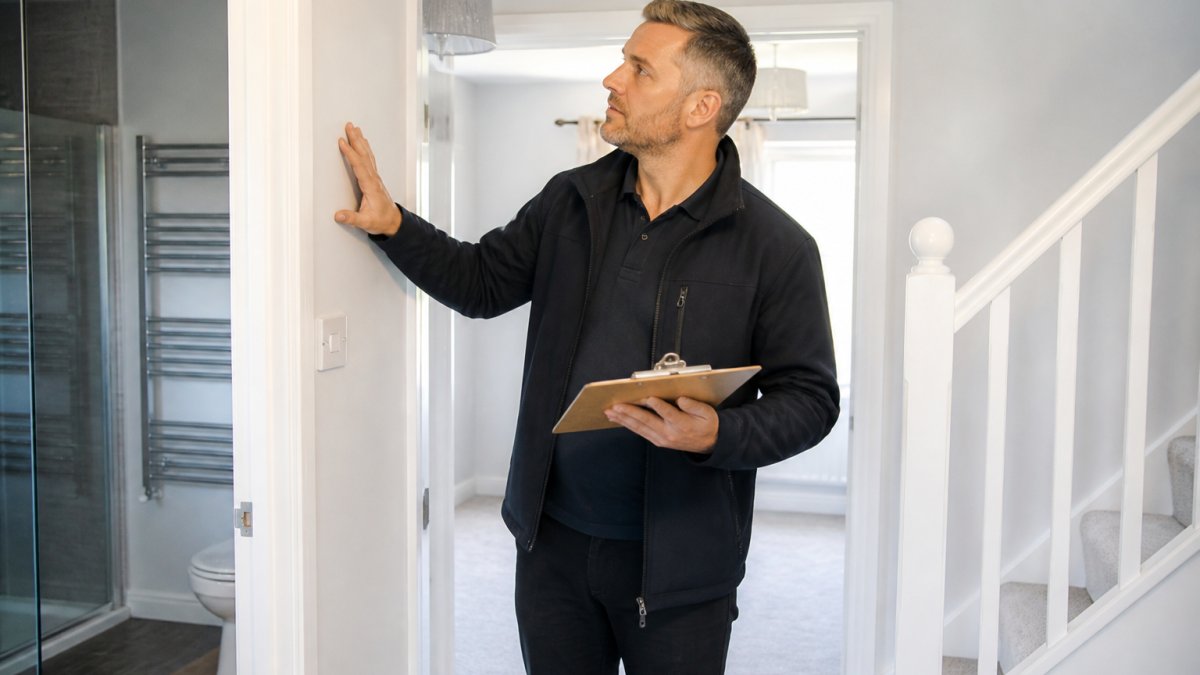
Many landlords skip written checklists and rely on memory. This is where problems hide. A checklist forces consistency. You check the same items every time. Nothing gets forgotten.
2. Follow a Structured Rental Property Maintenance Schedule
A rental property maintenance schedule sets specific dates for routine tasks. It prevents the drift that happens when maintenance is optional. When you schedule it, it gets done.
Your schedule should include:
Monthly checks:
- Visual inspection for obvious damage or leaks
- Test smoke alarms and carbon monoxide detectors
- Check for signs of pest activity
Quarterly inspections:
- Full walk-through of all rooms
- Check windows and doors seal properly
- Inspect plumbing under sinks and behind toilets
- Test heating and hot water
Annual tasks:
- Gas safety certificate (legal requirement for any gas appliances)
- Electrical Installation Condition Report (EICR) every 5 years (Electrical safety standards in the private and social rented sectors: guidance)
- Boiler service
- Drain cleaning
- Gutter and downpipe cleaning
- Pest control inspection
Every 5 years minimum:
- Energy Performance Certificate (EPC) renewal
The key is consistency. Mark these dates in a calendar now. Set phone reminders. When the date arrives, book the contractor before the month starts. This prevents the scramble of emergency repairs.
Many landlords keep schedules in their heads. This is where compliance slips. Written schedules are your audit trail. They prove you're taking your legal obligations seriously.
3. Preventing Damp and Mould in Rental Properties
Damp and mould are the most common complaints from tenants, and they damage your property's value faster than almost anything else. Preventing damp is far cheaper than treating it.
Damp enters through three main routes: rising damp (water drawn up from the ground), penetrating damp (water seeping through external walls), and condensation (moisture from cooking, washing, and breathing collecting on cold surfaces).
To prevent rising damp:
- Check that external ground levels are at least 150mm below the damp-proof course (the barrier built into walls)
- Ensure gutters and downpipes direct water away from the building
- Keep internal walls clear of furniture so air can circulate
To prevent penetrating damp:
- Inspect external walls for cracks or missing mortar
- Check that render or brickwork is intact
- Keep roof and gutters clear of debris
- Repair leaking pipes immediately
To prevent condensation:
- Ensure bathrooms and kitchens have extractor fans that vent outside (not into the loft)
- Encourage tenants to open windows for 10 minutes after bathing or cooking
- Check that windows open freely (stuck windows trap moisture)
- Ensure loft insulation does not block roof ventilation
If you spot early signs of mould (black spots on walls or ceilings, musty smell), act immediately. Clean affected areas with a mould-killing solution. Investigate the moisture source. Mould spreads fast if ignored.
Many landlords assume mould is a tenant housekeeping issue. Often it's a property defect. Your inspection checklist should specifically note any damp patches, condensation, or mould. If you find it, it's your responsibility to fix it.
4. How to Find Reliable Contractors for Rental Properties
Finding trustworthy tradespeople is where many landlords stumble. A poor contractor costs you money twice: once in inflated charges, and again when the work fails and needs redoing.
Start with local recommendations. Ask other landlords in your area who they use. Word-of-mouth from people you trust beats online reviews, which can be fabricated. Join local landlord forums or associations. People share contractor names regularly.
Verify qualifications. For gas work, the contractor must be Gas Safe registered. For electrical work, they should be Part P certified or registered with a competent person scheme. For boiler work, they need OFTEC or equivalent certification. Always ask to see their current certification. Never accept "I used to be registered" or "I'm trained but not currently certified."
Get multiple quotes. Always obtain at least three quotes for any major work. Compare not just price, but scope. What does each quote include? Are there hidden costs? A suspiciously low quote often means corners will be cut.
Check insurance. Ask if the contractor carries public liability insurance. This protects you if something goes wrong. Uninsured contractors leave you exposed.
Request references. A reliable contractor will happily provide contact details of recent clients. Call them. Ask about responsiveness, quality of work, and whether the final bill matched the quote.
Use written contracts. Never agree to work verbally. Get everything in writing: scope, cost, timeline, and what happens if the work isn't completed on schedule. A simple email confirming these details is better than nothing.
Many landlords choose contractors based on price alone. This is where expensive mistakes happen. A contractor 10% more expensive but reliable saves you money in the long run through quality work and reduced callbacks.
5. Document Everything and Maintain Clear Records
Your inspection records, maintenance logs, and contractor invoices are your legal protection. They prove you're managing the property professionally and complying with regulations.
Keep these records for at least 6 years: (Record keeping for the Non-resident Landlords Scheme)
- Inspection reports: Date, findings, photos, any issues noted
- Contractor quotes and invoices: Proof you obtained competitive pricing and paid for work
- Gas safety certificates: Essential for any gas appliances
- Electrical inspection reports: Proof of EICR compliance
- Boiler service records: Annual certification of safe operation
- Tenant communications: Emails or letters reporting maintenance requests and your response
- Photos of damage or repairs: Timestamped evidence of condition before and after
Use a simple system. A spreadsheet works fine. Record the date, property address, work carried out, contractor name, cost, and any notes. Digital storage (cloud backup) is safer than paper files alone.
These records protect you in disputes. If a tenant claims you ignored a hazard, your records show when you inspected and what you found. If a contractor disputes payment, your invoice and photos prove the work was done. If a regulator questions your compliance, your certificates and reports demonstrate due diligence.
Many landlords store records haphazardly. This is where compliance fails. A simple filing system takes minutes to maintain but saves hours of stress if problems arise.
Making Preventative Maintenance Sustainable Long-Term
Preventative maintenance only works if you stick with it. Many landlords start strong, then drift as other demands take over. Life gets busy. Maintenance gets postponed. Suddenly you're back to reactive crisis management.
The solution is automation and delegation. Calendar reminders help, but they still require you to act. Delegating to a property manager removes the burden entirely. They maintain the schedule, book contractors, collect invoices, and keep records. You get monthly reports instead of monthly stress.
This is where many remote landlords and overseas investors find real value. You can't inspect your own property if you live 200 miles away. You need someone local who knows the area, has contractor relationships, and can respond quickly when issues arise.
PPS Property Management handles all of this for landlords across the Fylde Coast. We maintain detailed inspection schedules, coordinate contractors, manage compliance certificates, and keep records that protect you legally. Our team knows which local tradespeople are reliable, and how to negotiate fair pricing. We respond to emergencies within hours, not days.
The cost of professional management is offset by the protection of your asset, and the compliance certainty you get. Most importantly, you get your time back. Your rental property becomes an investment that works for you, not a source of constant firefighting.
Frequently Asked Questions
What preventative maintenance should landlords carry out on rental homes?
Essential preventative maintenance includes quarterly inspections of plumbing, electrical systems, heating, and ventilation; annual professional checks of boilers and gas appliances; regular gutter and drainage cleaning; damp and mould monitoring; testing smoke alarms; checking for pest activity; and inspecting roofs, windows, and external walls for damage. Completing these tasks proactively prevents small issues from becoming expensive emergencies and keeps your property compliant with safety standards.
How often should a landlord inspect a rental property?
Conduct formal inspections at least twice yearly, ideally at the start and midpoint of the tenancy. Between formal inspections, schedule quarterly walk-throughs to check for emerging damp, pest signs, or damage. If your property experiences heavy use or has a history of issues, monthly checks are worthwhile. Documented inspections protect both you and your tenants, create an audit trail for compliance, and catch problems early when repairs cost far less.
How can landlords prevent damp and mould in a rental home?
Ensure adequate ventilation by keeping extractor fans clear and encouraging tenants to open windows regularly. Check roof and wall condition annually for water ingress. Maintain gutters and downpipes to direct water away from the property. Inspect around windows and doors for gaps or deteriorated seals. Keep the property heated during colder months, as poor heating combined with moisture creates ideal mould conditions. Address any leaks immediately. Provide clear guidance to tenants on reducing condensation through daily habits, and respond quickly to any reported damp.
What should be included in a rental property maintenance checklist?
A comprehensive checklist covers: plumbing (taps, pipes, toilets, boiler); electrical (sockets, switches, circuit breaker); heating and cooling systems; gas appliances and safety certificates; roof condition and gutters; windows and doors; external walls and foundations; damp and mould signs; pest activity; smoke and carbon monoxide alarms; locks and security; flooring and walls; and any appliances included in the tenancy. Tailor your checklist to your specific property and document findings after each inspection to track patterns and plan maintenance.
Ready to protect your rental investment with systematic preventative maintenance?
Get a free consultation with PPS Property Management. We'll review your current approach, identify gaps in your maintenance strategy, and show you how professional management delivers peace of mind and better returns. Contact us today to discuss how we can handle your property's maintenance and compliance while you focus on growing your portfolio.