 ultimate-guide
Tenant Rights for Repairs: A 2026 Guide
Table of Contents
- What Are Your Tenant Rights for Repairs?
- Understanding the Homes (Fitness for Human Habitation) Act 2018
- Landlord Responsibilities: What Must Be Maintained
- How to Report Housing Disrepair: Template and Process
- Tenant Rights for Emergency Repairs
- What Happens If Your Landlord Refuses to Repair
- Frequently Asked Questions
Last Updated: September 27, 2026
What Are Your Tenant Rights for Repairs?
Your tenant rights for repairs in rental properties are protected by law. As a tenant, you have the right to live in a property that is safe, habitable, and fit for human habitation. This means your landlord must maintain the structure and exterior of the building, keep installations for water, gas, and electricity in good working order, and ensure heating and hot water systems function properly.
The legal framework protecting tenant rights for repairs comes from multiple sources, including the Homes (Fitness for Human Habitation) Act 2018 and the implied covenant of quiet enjoyment under common law. These protections apply to most residential tenancies in England, though some exemptions exist for properties above certain rental values or with specific lease lengths.
Understanding what repairs your landlord must handle versus what falls to you is essential. Generally, landlords are responsible for structural repairs, major systems, and fixtures permanently attached to the property. Tenants typically handle minor maintenance and damage caused by their own negligence. However, the distinction isn't always clear-cut, which is why knowing your rights matters.
Understanding the Homes (Fitness for Human Habitation) Act 2018
The Homes (Fitness for Human Habitation) Act 2018 fundamentally changed tenant protections in England. This legislation requires landlords to ensure rental properties meet minimum fitness standards throughout the entire tenancy, not just at the start. The act applies to assured tenancies and assured shorthold tenancies with a rent below £100,000 per year.
Under this act, a property must be fit for human habitation if it meets certain conditions. These include having adequate facilities for lighting, heating, water supply, drainage, sanitation, and ventilation. The property must also be free from hazards that could cause serious harm to health and safety. If your home fails these standards, your landlord is in breach of statutory duty.
What makes this legislation significant is that it places ongoing responsibility on landlords rather than treating fitness as a one-time requirement. Landlords cannot simply argue they were unaware of problems. They must take reasonable steps to identify and remedy issues. The act also allows tenants to pursue remedies through the courts, including damages for breach of covenant.
The Housing Health and Safety Rating System (HHSRS) often informs what constitutes a hazard under the act. Common hazards include damp and mould, inadequate heating, electrical dangers, and pest infestations. If your property exhibits these problems, your landlord has a legal obligation to address them.
Landlord Responsibilities: What Must Be Maintained
Landlords have specific legal obligations regarding repairs and maintenance. These responsibilities flow from multiple sources of law, including the Landlord and Tenant Act 1985, the Environmental Protection Act 1990, and various housing standards regulations.
Under the Landlord and Tenant Act 1985, landlords must keep the structure and exterior of the building in repair. This covers the roof, walls, foundations, windows, and doors. They must also maintain all installations for water, gas, electricity, and heating systems. Sanitation fixtures, including toilets, baths, and sinks, fall under landlord responsibility. Hot water systems must provide adequate hot water for bathing and domestic purposes.
Common repairs landlords must handle include fixing broken windows, repairing roof leaks, addressing damp and mould, fixing broken boilers, repairing electrical systems, and maintaining drainage. These are not optional, they are legal requirements. Failure to address them can result in enforcement action from local authorities or claims through the courts.
Landlords also have responsibilities under health and safety legislation. Gas appliances must be serviced annually, with a CP12 certificate issued. Electrical installations must be tested every five years under the Electrical Safety Standards in the Private Rented Sector (EICR) regulations (Electrical safety standards in the private and social rented sectors: guidance). Fire safety standards require working smoke alarms and, in some cases, sprinkler systems.
PPS Property Management recognises that managing these obligations can be complex for landlords. Our team handles compliance management, ensuring gas safety certificates, electrical testing, and all statutory repairs are completed on schedule, protecting both your property and your legal standing.
How to Report Housing Disrepair: Template and Process
Reporting housing disrepair effectively requires clear communication and proper documentation. Start by identifying the specific problem and gathering evidence. Take photographs or videos showing the issue from multiple angles. Note when you first noticed the problem and how it affects your daily life.
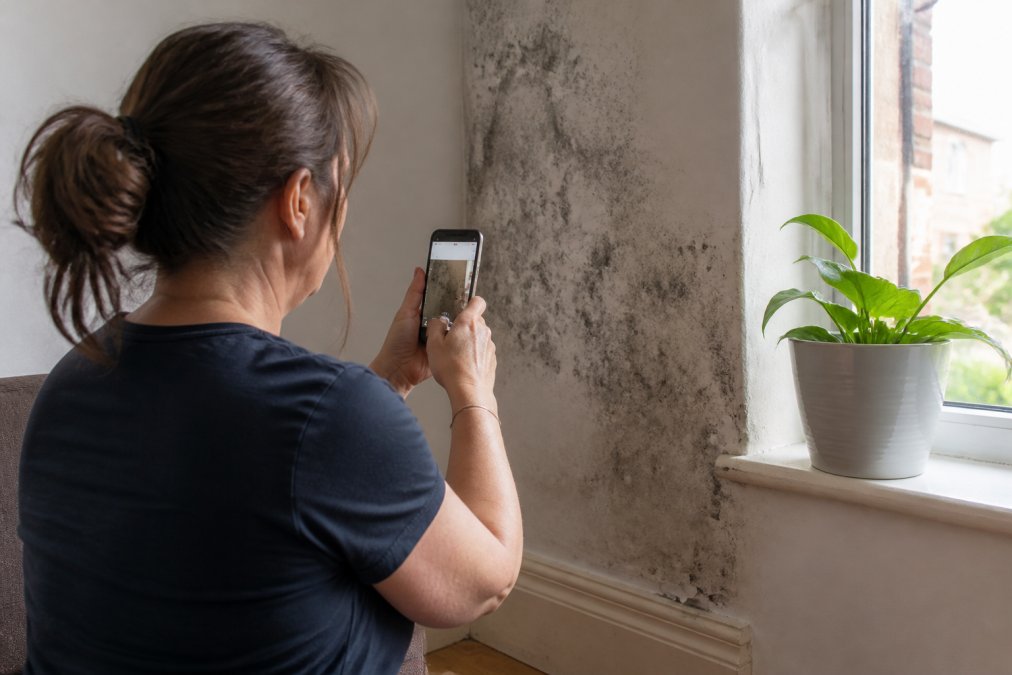
Your first step should be to contact your landlord or letting agent in writing. Email is preferable because it creates a dated record. Be specific about the problem, its location, and why it needs repair. Avoid emotional language, stick to facts. Here's a template you can adapt:
Subject: Urgent Repair Request - [Property Address]
Dear [Landlord/Agent Name],
I am writing to formally request repairs to [describe the specific issue] at [property address]. This problem began on [date] and currently affects [describe impact on habitability].
The issue is located [provide specific location]. I have attached photographs for your reference.
I require this repair to be completed within [14 days is reasonable for non-emergency issues] to ensure the property remains fit for human habitation.
Please confirm receipt of this request and provide a timeline for completion.
Yours faithfully, [Your name] [Date]
Send this email and keep a copy. If you receive no response within a few days, follow up with a second message. If your landlord still doesn't act, you have options. You can contact your local authority's environmental health team, who can investigate whether the property meets fitness standards. You can also pursue a claim through the courts for breach of the Homes (Fitness for Human Habitation) Act 2018.
Many tenants worry about retaliation after reporting repairs. The law protects you against this. Landlords cannot evict you, increase rent, or reduce services in response to a legitimate repair complaint. If they attempt to do so, you have grounds for legal action.
Tenant Rights for Emergency Repairs
Tenant rights for repairs in emergencies require immediate action. These include problems that pose an immediate risk to health or safety, such as loss of heating in winter, gas leaks, electrical hazards, flooding, or structural damage. Your tenant rights for emergency repairs are stronger than for routine maintenance.
For emergency repairs, you should contact your landlord or letting agent immediately by phone. If you cannot reach them, document your attempts to contact them. You have the right to arrange emergency repairs yourself in some circumstances and recover the cost from your landlord, provided you act reasonably.
If the repair poses an immediate danger, such as a gas leak or electrical hazard, contact the relevant emergency service first. For gas leaks, call the National Gas Emergency Service. For electrical hazards, switch off the circuit and contact an electrician. Your safety takes priority over notifying your landlord.
After handling the emergency, provide your landlord with written notice of what happened, what you did, and the costs involved. Include receipts and invoices. Your landlord should reimburse you for reasonable emergency repairs. If they refuse, you can deduct the cost from rent (though this carries risks and should be done carefully) or pursue the claim through small claims court.
What Happens If Your Landlord Refuses to Repair
If your landlord refuses to repair, you have several remedies available. The first step is escalation through formal channels. If your landlord ignores written requests, contact your local authority's environmental health department. They can investigate whether the property meets fitness standards and issue enforcement notices requiring repairs.
Your local authority can issue a Hazard Awareness Notice or, more seriously, an Improvement Notice requiring the landlord to remedy hazards within a specified timeframe. Failure to comply can result in fines and, in serious cases, prosecution. This mechanism often prompts landlords to act quickly.
You can also pursue a claim through the courts. Under the Homes (Fitness for Human Habitation) Act 2018, you can claim damages for breach of the statutory duty to maintain fitness standards. The court can order repairs and award compensation for any loss of amenity or damage caused by the landlord's failure.
Another option is rent abatement, where you reduce your rent proportionally to reflect the reduction in the property's value due to disrepair.
Frequently Asked Questions
What repairs are landlords legally responsible for under tenant rights for repairs?
Landlords must maintain the property structure, roof, walls, windows, and doors. They are responsible for heating systems, water supply, drainage, electrical installations, and gas appliances. The Homes (Fitness for Human Habitation) Act 2018 requires properties to be fit for human habitation, covering safety hazards like damp, mould, and electrical faults. Tenants are typically responsible only for minor decorative repairs and damage caused by their own negligence.
How long should a landlord take to fix a repair once reported?
For emergency repairs (burst pipes, loss of heating in winter, electrical hazards), landlords should respond within 24 hours and complete repairs as soon as possible. For non-emergency repairs, landlords must act within a reasonable timeframe, typically 14-30 days depending on the nature of the issue. Delays beyond reasonable timescales may constitute a breach of the implied covenant of habitability and give tenants grounds for complaint.
What can I do if my landlord refuses to carry out essential repairs?
Document everything in writing, including photos and dates. Send a formal repair request using a template letter or email. If ignored, contact your local council's environmental health team, who can investigate and serve enforcement notices. You may also contact Citizens Advice or raise a complaint with the First-tier Tribunal (Property Chamber). In some cases, tenants can withhold rent or arrange repairs themselves and deduct costs from rent, but this requires legal advice first.
Are tenants responsible for minor repairs or maintenance?
Yes, tenants are typically responsible for minor maintenance and repairs caused by normal wear and tear, such as replacing light bulbs, cleaning gutters, and minor decoration. However, structural issues, major systems (heating, plumbing, electrics), and defects present at the start of the tenancy remain the landlord's responsibility. Your tenancy agreement should clarify which repairs fall to you.